Charting calendar alignments that link fixture-driven incentives with recurring membership perks across multi-vertical platforms
Written by David Bauer · Oct 3, 2026
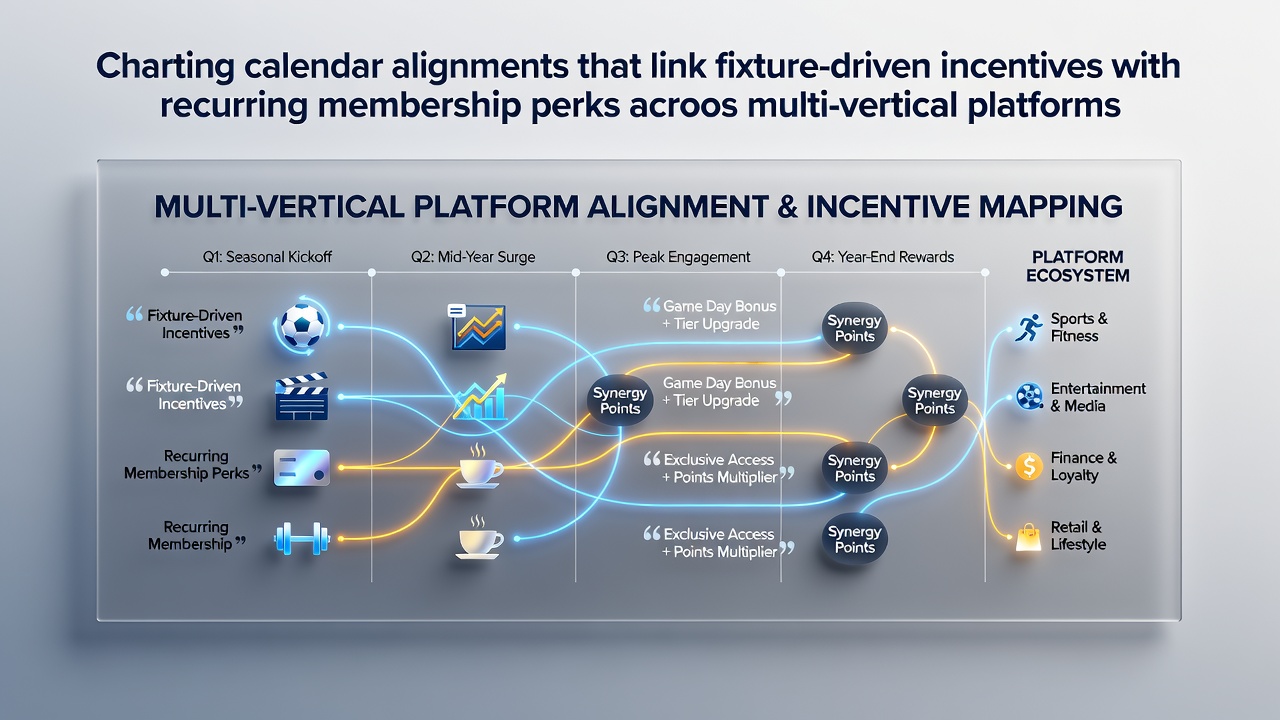
Charting calendar alignments that link fixture-driven incentives with recurring membership perks across multi-vertical platforms
Platforms that operate across multiple verticals maintain detailed calendars to coordinate fixture-driven incentives with recurring membership benefits. These systems track event schedules from sports leagues, racing circuits, and casino tournaments while layering ongoing loyalty rewards that activate at set intervals. Data from industry tracking services shows that operators update these alignments several times each quarter to match changes in fixture lists and seasonal promotions. Observers note that the process begins with mapping major fixtures such as league matches or race meetings onto a central timeline. Once dates are fixed, teams assign targeted incentives like enhanced odds or deposit matches that run only during those windows. At the same time, recurring membership perks such as cashback tiers or loyalty points continue on their own monthly or weekly cycles, creating overlap opportunities that users can identify through the shared calendar view.Fixture Mapping Across Vertical Lines
Multi-vertical operators divide their calendars into distinct sections for each product line while maintaining a unified view that highlights crossovers. Football fixtures receive dedicated blocks that list kickoff times alongside associated bonus triggers, and these blocks sit next to racing calendars that mark race days with their own set of reload offers. Casino events, including live dealer tournaments, occupy separate rows yet link to the same membership renewal dates so that a single login grants access to all active layers.
Researchers at academic institutions have examined how such layered calendars affect user engagement patterns. One study from a Canadian university tracked participation rates over twelve months and found that users who consulted integrated calendars completed more transactions than those who viewed individual vertical promotions in isolation. The findings indicate that visual alignment reduces the chance of missing overlapping windows.
Recurring Membership Structures
Membership programs operate on fixed renewal schedules that run independently of any single fixture. Points accumulate daily or weekly, and tier upgrades unlock automatically once thresholds are reached. When these cycles coincide with high-profile fixtures, operators often release temporary multipliers that apply only to the overlapping period, allowing members to accelerate progress without changing their normal activity levels.
Industry reports from the Australian wagering sector describe how operators publish these renewal dates months ahead so that members can plan activity around both recurring perks and upcoming fixtures. The same reports note that calendar tools now include filters that isolate membership-only incentives from fixture-tied ones, giving users clearer visibility into each category.
October 2026 Scheduling Patterns
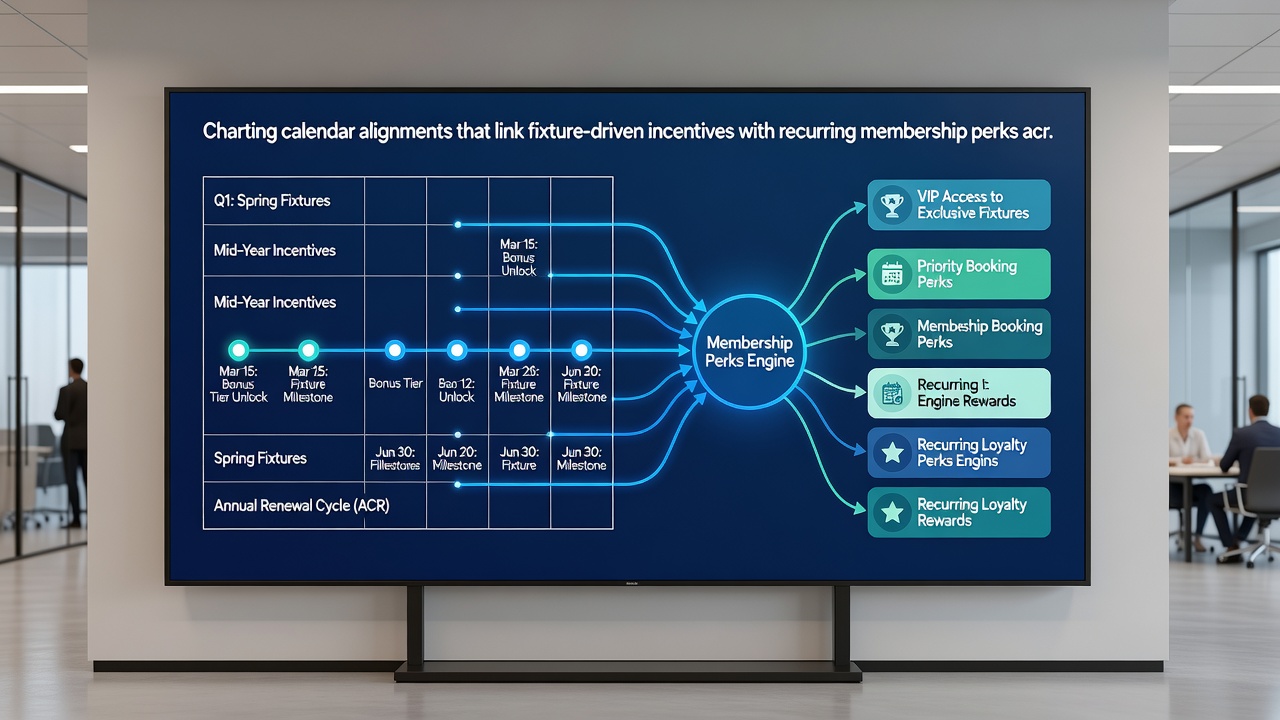
October 2026 contains several clustered fixtures across European leagues and autumn racing festivals that operators have already plotted against membership renewal windows. Calendar tools flag these clusters early, showing where a weekend football slate aligns with a midweek racing card and a casino leaderboard reset. Members receive automated alerts when multiple verticals activate within the same forty-eight-hour span.
Regulatory filings from the Nevada Gaming Control Board indicate that operators must document all promotional overlaps in advance, and the October 2026 filings include sample calendar extracts that demonstrate how fixture blocks sit alongside recurring reward cycles. These documents provide public examples of the alignment process without revealing proprietary algorithms.
Cross-Vertical Activation Mechanics
Once a fixture date is confirmed, the system checks the membership database for active tiers and applies any relevant multipliers automatically. A member whose renewal falls during a major racing meeting might receive an automatic points boost on casino play that same week, while the racing vertical runs its own fixture-specific cashback. The calendar displays each layer as a separate line so that users can verify which incentives remain active on any given day.
Trade association publications from European gaming bodies describe similar mechanics in use across several large operators. These publications emphasize that automated checks reduce manual errors and ensure that recurring perks continue uninterrupted even when fixture incentives change daily.
Conclusion
Calendar alignment systems continue to evolve as operators add more verticals and refine their renewal schedules. The core method remains the same: fixture dates are plotted first, recurring membership cycles are overlaid second, and users consult the combined view to identify active combinations. Public data from regulatory filings and academic studies confirms that these alignments operate on fixed timelines that update with each new season or tournament schedule.