Demographic Shifts Reshaping Customized Reward Ecosystems Across UK Platforms
Written by Vera Roth · Aug 19, 2026
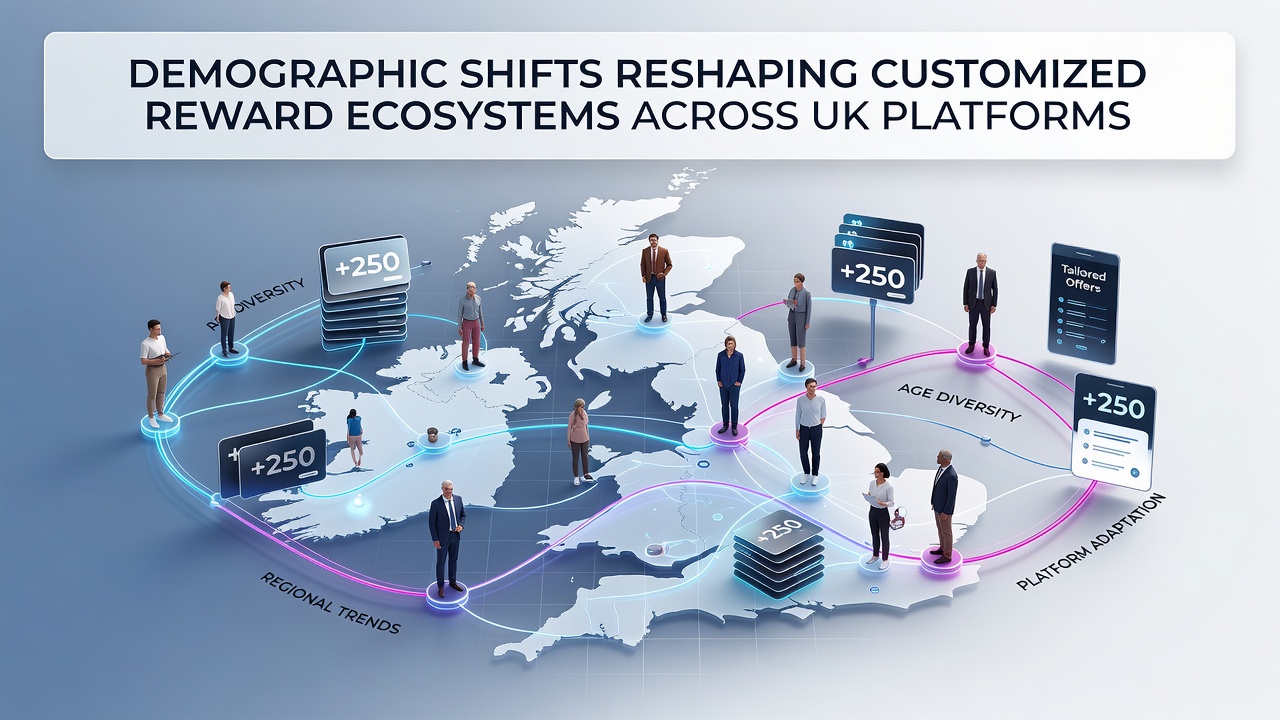
Demographic Shifts Reshaping Customized Reward Ecosystems Across UK Platforms
Population changes across the United Kingdom continue to influence how digital platforms design and deliver customized rewards, and data from government statistical agencies show steady increases in both older demographics and younger digital-native groups that platforms now target with tailored incentives. As of August 2026, official figures indicate that adults aged 55 and over represent a growing share of active users on major loyalty and rewards systems, while Generation Z and millennial cohorts drive demand for instant, app-based redemptions that differ sharply from traditional point accumulation models.
Population Data Driving Platform Adjustments
Researchers at the Office for National Statistics have documented rising life expectancy combined with lower birth rates, which creates a larger proportion of users who prefer reward structures emphasizing security, cashback options, and long-term accumulation rather than high-risk promotional mechanics. Platforms respond by segmenting offerings so that older users receive notifications about steady-value rewards while younger users see time-limited challenges and social sharing bonuses that align with their documented preferences for immediate feedback loops.
Simultaneously, migration patterns tracked by the Statistics Canada demographic reports reveal increased diversity in urban UK centers, prompting platforms to incorporate multilingual interfaces and region-specific reward categories that reflect cultural spending habits observed in transaction data. These adjustments appear most visible in sectors where user retention depends on matching reward types to household composition and income variability.
Customization Techniques Across Age and Location
Industry analyses from the European Commission’s digital economy reports highlight that platforms now deploy machine-learning models to predict which reward formats will appeal to specific postcode clusters, and these models incorporate age-band data alongside device usage patterns. For instance, users in regions with higher concentrations of families often encounter bundle-style rewards that combine entertainment credits with practical savings, whereas single-occupancy urban postcodes receive more frequent micro-rewards tied to daily engagement metrics.
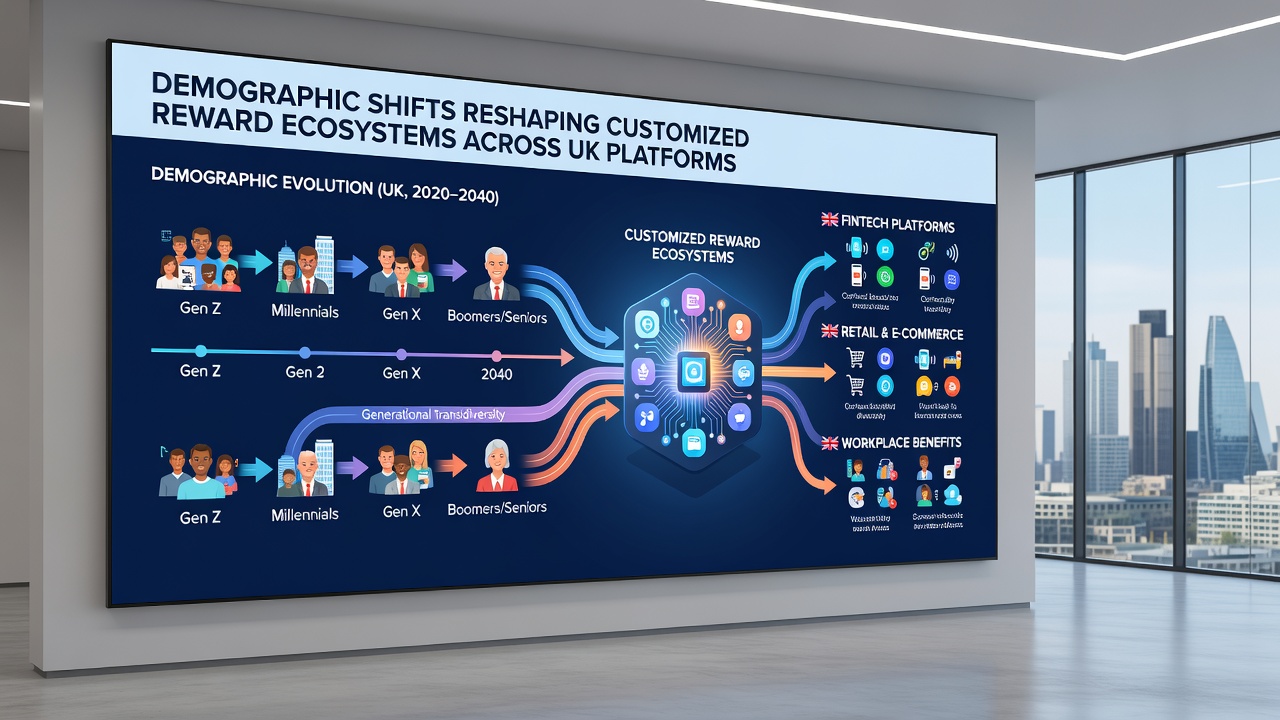
Academic studies published through Australian university research centers have examined similar platform ecosystems and found that reward personalization correlates with measurable differences in session duration across age groups, with platforms adjusting notification frequency and reward visibility accordingly. UK platforms have adopted comparable approaches, using behavioral signals to shift reward emphasis toward sustainability credits for environmentally conscious cohorts or toward experiential redemptions for users whose profiles indicate preference for event-based incentives.
Technology Integration and Regulatory Context
Platform operators integrate real-time demographic overlays into their backend systems so that reward ecosystems update automatically when user bases shift, and this practice draws on datasets that track household formation trends rather than static snapshots. Observers note that such dynamic layering reduces the need for broad promotional campaigns while increasing the precision of offers delivered to each segment. Data from the OECD digital economy outlook supports the observation that platforms achieving higher segmentation accuracy report steadier user retention across fluctuating economic conditions.
Those who monitor platform announcements have seen increased references to accessibility features within reward programs, including simplified interfaces for users with varying digital literacy levels and alternative redemption paths that accommodate different banking preferences common among older demographics. These modifications align with broader patterns documented in cross-border studies that compare reward system adaptations in multiple developed economies.
Future Trajectories Based on Current Trends
Projections from demographic modeling groups suggest continued evolution in household structures will further refine how platforms allocate reward budgets, with emphasis moving toward hybrid models that blend financial and non-financial incentives. Evidence from longitudinal tracking indicates that platforms which began adjusting their ecosystems in response to 2024-2025 population data releases are already showing differentiated performance metrics compared with those using less granular segmentation.
Conclusion
Demographic information continues to serve as a foundational input for reward system design on UK platforms, and ongoing data releases from multiple national and international sources will likely sustain this adaptation cycle. The combination of aging populations, shifting migration patterns, and generational differences in digital engagement creates a landscape where customized reward ecosystems must remain responsive to measurable population changes rather than fixed assumptions about user behavior.